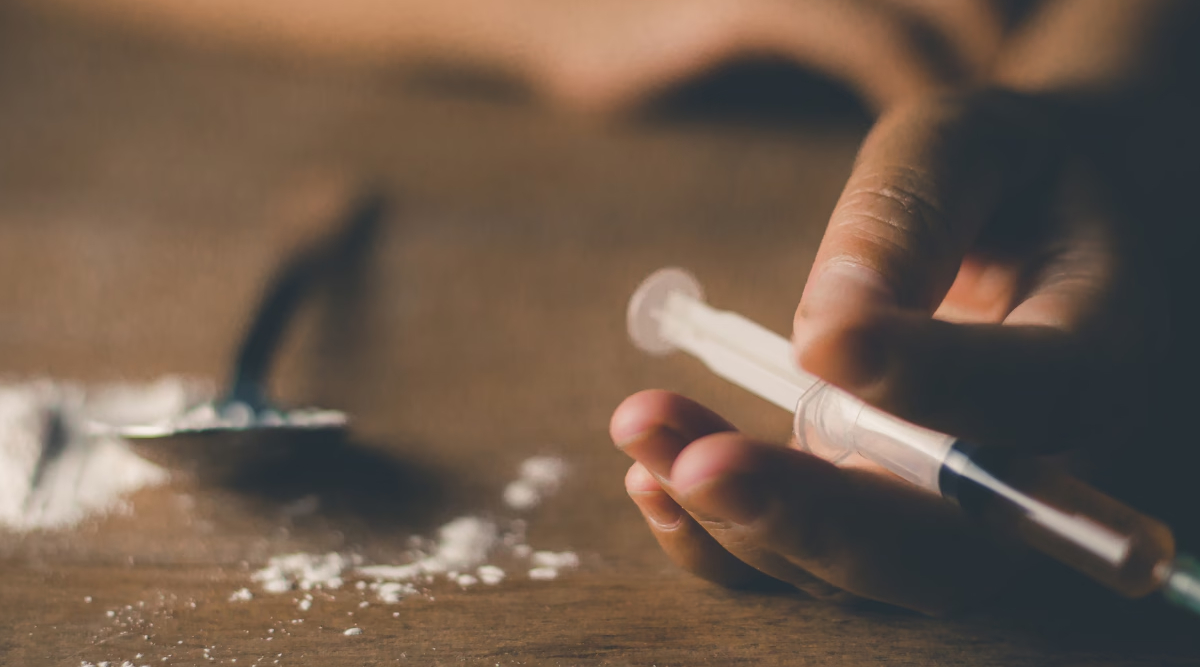
The sheer scale of Operation Toofan in Kerala is undeniable. In just a short span, the volume of arrests and multi-crore drug seizures demonstrates a level of state determination we haven’t seen in a long time. There is a palpable sense of relief in seeing local neighborhoods cleaned up, school zones monitored more strictly, and public awareness elevated through community participation. By treating substance abuse not just as a law-and-order issue but as a public health crisis through rehabilitation initiatives, the campaign makes a necessary shift toward long-term care.
However, beneath the high-profile media flashes, a deeply troubling pattern emerges. We all know that narcotics is a dirty business—a phrase that has become chillingly famous in Kerala—but the real architects of this trade remain largely untouched. The international cartels, the high-level financiers, and the systemic supply lines are still hiding safely in the shadows. Instead, the net consistently catches the most vulnerable: petty street peddlers, small-time agents, and casual users battling addiction.
The strategy of publicly parading and picturing these individuals does far more harm than good. When we plaster the faces of mere users or low-level couriers across newspapers and social media, we are not dismantling the drug mafia; we are destroying lives. The resulting social stigma permanently tarnishes their images, alienates their families, and shuts the door on any future employment or rehabilitation. By completely stripping away their dignity, society inadvertently pushes them into a corner. Instead of saving them, this aggressive public shaming hardens their path, virtually guaranteeing that they turn into hardened criminals just to survive.
An effective campaign cannot be won by recycling the small fry for media applause while the true kingpins remain safe. For Operation Toofan to achieve genuine success, the focus must shift. We need relentless intelligence to cut off the head of the snake, combined with quiet, compassionate rehabilitation that protects—rather than destroys—the human beings caught in the crossfire.